

For most Americans, the first time they come face to face with a country the USA is bombing is through the news. Through our screens, they see the genocide in Palestine, the crippling sanctions on Cuba and Iran, the kidnapping of Presidents in Venezuela - and while that might inform them about what the US is doing, that information does nothing to humanize the people who are directly affected. The news becomes the lens through which everyday people view the world, which only offers a distorted and dehumanized version of reality.
In 2010, two Pittsburgh artists, Jon Rubin and Dawn Weleski, came up with a different entry point: Food. Together they opened Conflict Kitchen, a takeout restaurant that only serves cuisine from countries the United States is in conflict with. The concept may sound simple, but the impacts are not.
The restaurant operated out of a small window in Pittsburgh, Pennsylvania, rotating its entire menu, branding, and staff every few months to reflect a new country. Over the years, it has served Afghan, Cuban, Iranian, Palestinian, North Korean, Venezuelan, and Haudenosaunee food, among others. Each iteration is accompanied by educational materials, events, conversations, and community programming designed to connect the dish to the politics behind it. The wrapper your kubideh comes in might tell you about US sanctions on Iran. The person handing you your food might be an Iranian American sharing their family's story.
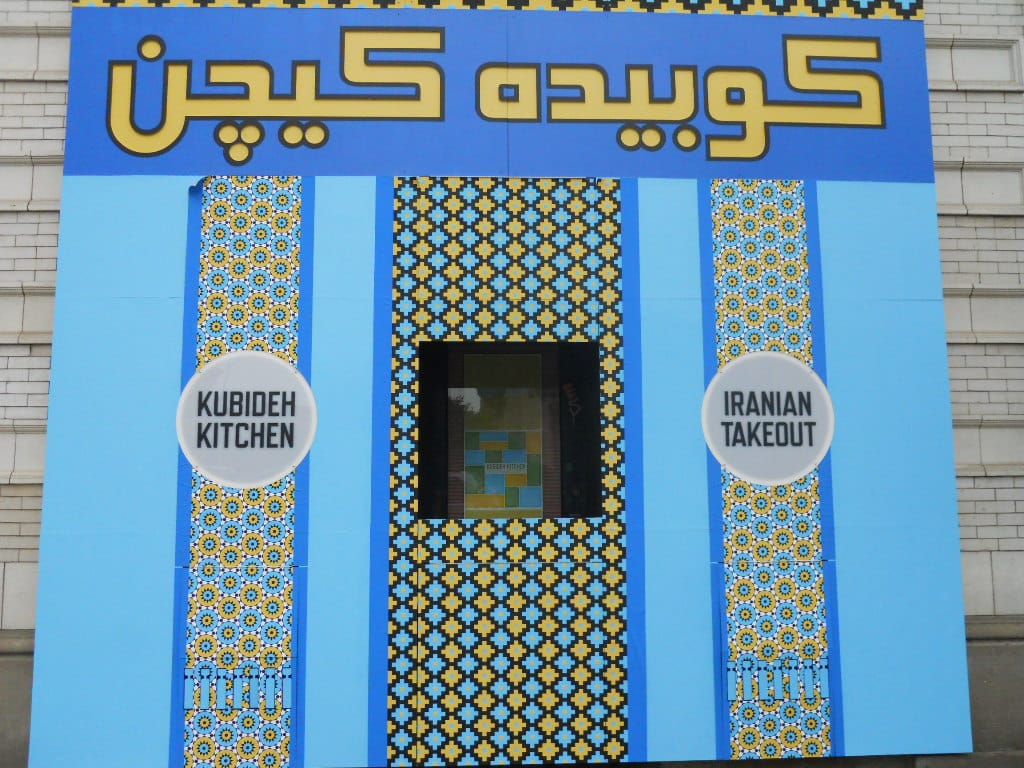
Conflict Kitchen was conceived as a public art project as much as a restaurant. Rubin, a professor at Carnegie Mellon's School of Art, and Weleski, a performance artist, weren't trying to build a business as much as they were trying to start a conversation. What happens when you humanize a country your government has told you to fear? What does it mean to sit with Afghan bolani in your hands while reading about a two-decade war? Or enjoy Palestinian olive oil, while learning about the settler attacks in the West Bank?
